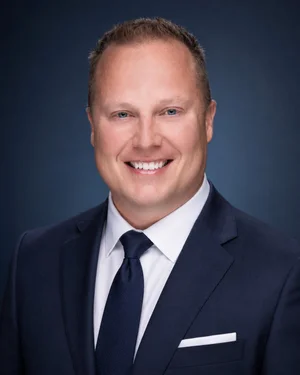
Why I wear One Star
One of the most common questions I’m asked about my uniform is, “Why do you only wear one star on your collar?” Especially in a profession where some chiefs wear three, four, or even five stars, the question makes sense on the surface. But for me, the answer goes much deeper than tradition or insignia.
Unlike the military, law enforcement in the United States doesn't follow a standardized protocol for rank insignia. There’s no universally accepted guide that says how many stars a police chief should wear. Some departments base it on department size, others on personal or regional traditions. But the absence of uniformity gave me an opportunity to make a different kind of statement—one rooted in leadership philosophy rather than hierarchy.
I wear one star because I believe in servant leadership.
To me, leadership isn't about titles, symbols, or outward signs of authority. It’s about trust, integrity, and standing shoulder to shoulder with the people you lead. The officers and staff of the Brookhaven Police Department know who I am. I don’t need to remind them with collar brass. I’ve always believed that leadership is earned, not displayed.
That same philosophy is why I also choose to wear the standard dark blue uniform that our officers wear, instead of the white command shirt traditionally associated with executive ranks. I want to lead from among, not above. My uniform is a symbol of unity, not separation. When I walk into a room or onto a scene, I want to be seen as a teammate—someone who is working with and for the men and women who serve our community every day.
Wearing one star doesn’t make me less of a chief. If anything, it reminds me daily that leadership is a responsibility, not a rank to be advertised. My role is to support, empower, and protect the people who do the hard work of policing, not to elevate myself above them.
In the end, I believe humility is one of the most powerful traits a leader can have. It builds credibility, creates connection, and fosters the kind of culture that endures long after the stars are removed.
This is the same lens I bring to my executive coaching work today. The leaders who make the biggest jumps aren't the ones who lean harder on their title — they're the ones willing to set down whatever their version of 'the extra stars' is and lead from trust instead. If you're wrestling with that shift in your own organization, that's exactly the work I help leaders do.